

Card guards



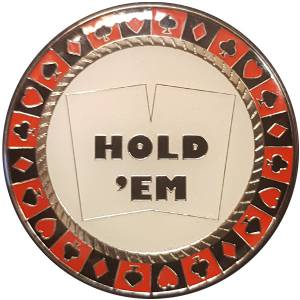
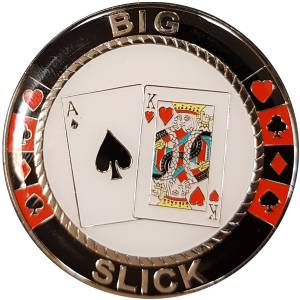





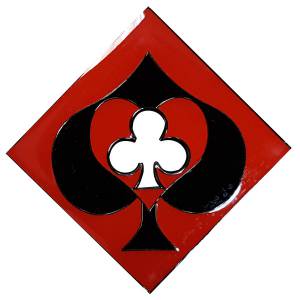
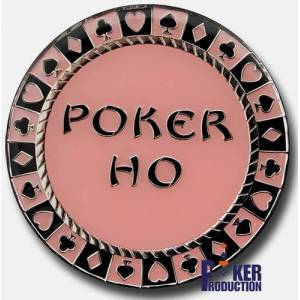

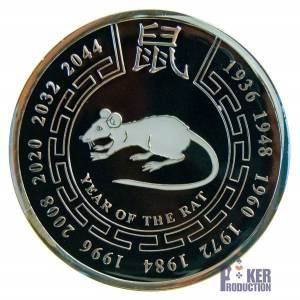

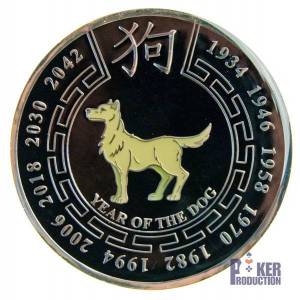

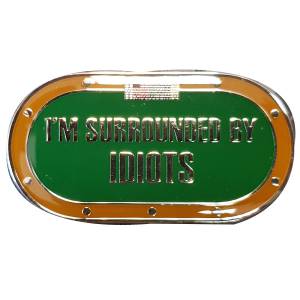


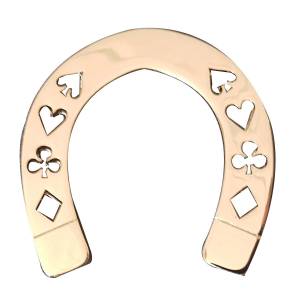



















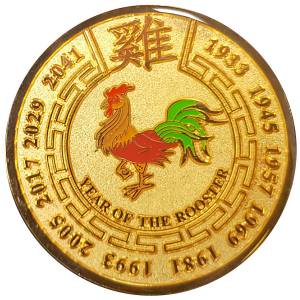












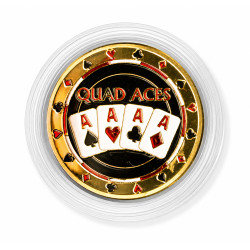
Card Guard
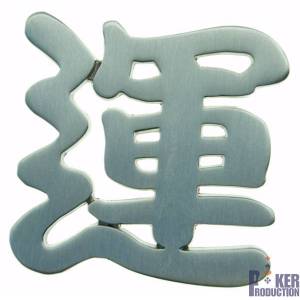
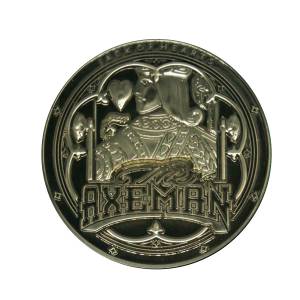
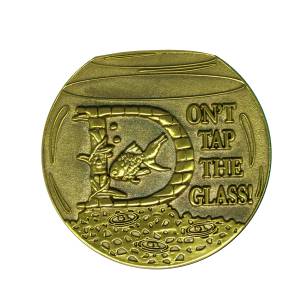
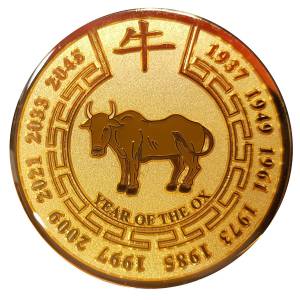
Card guards are essential accessories for card game enthusiasts, particularly in strategy games such as poker. These small objects, often decorative but also functional, primarily serve to protect cards against unwanted handling and damage. In addition to their protective function, card guards add a personal and distinctive touch to the game, allowing players to express their style and preferences.
Historically, card guards have evolved from simple coins or chips used to mark cards into refined objects made of metal, ceramic, acrylic and other materials. Today, they come in a variety of shapes, sizes and designs, ranging from classic models to custom creations.
Used to signal a winning hand, protect a specific card or simply as a collectible, card guards offer a combination of practicality and personalization. Whether you are a professional player or a board game enthusiast, choosing the right card guard can not only enhance your gaming experience but also add an aesthetic dimension to your play sessions.
MENU
Materials and Designs of Poker Card Guards
Custom DEALER / CARD GUARD
Using Card Guards
Caring for Card Guards
Materials and Designs of Poker Card Guards
Poker card guards are available in a wide range of materials and designs, allowing players to choose an accessory that not only protects their cards but also reflects their personality and playing style.
Card Guard Materials
Card guards are made from various materials, each with its own characteristics and advantages. Here is an overview of the most common materials used for card guards: metal, brass, ceramic and acrylic.
Metal
Metal card guards are often appreciated for their durability and weight. They can be made from different types of metals, such as stainless steel, aluminum, or copper.
Advantages: High strength, long lifespan, and an elegant appearance. They also offer good protection against wear and damage.
Disadvantages: May be prone to rust or oxidation if not maintained properly. Weight may also be a factor to consider for some people.
Brass
Brass is an alloy of copper and zinc, often used for its beauty and malleability.
Advantages: Attractive aesthetic with a bright golden color. Easy to work with to create detailed and complex designs.
Disadvantages: Can tarnish over time and require regular maintenance to keep its shine. Less impact-resistant compared to some other materials.
Ceramic
Ceramic card guards are known for their beauty and fragility.
Advantages: Allows for detailed and colorful artistic designs. Excellent for unique and personalized designs.
Disadvantages: Fragile and can break or crack if mishandled. Requires special care to avoid damage.
Acrylic
Acrylic is a transparent plastic material often used for its clarity and lightness.
Advantages: Lightweight, durable, and offers high optical clarity. Easy to manufacture in different shapes and sizes.
Disadvantages: Can scratch easily and may yellow over time. Less impact-resistant compared to metals.
Each material has its own advantages and disadvantages, and the choice of card guard will depend on personal preferences and specific needs in terms of play and style.
Variety of Designs for Card Guards
Card guard designs vary widely to suit players' personal preferences. Classic designs are often simple and elegant, featuring motifs such as casino logos, initials or discreet geometric patterns. These card guards are designed to offer a timeless look and a professional appearance.
For greater personalization, card guards can be engraved or printed with personal messages, specific images or unique illustrations, thus reflecting the player's personality or interests. Playful and creative card guards stand out with their original shapes and fun motifs. These designs may include game symbols, coins or whimsical characters, adding an element of entertainment to the table.
Some card guards follow particular themes, such as casino games, sports, movies or seasons, allowing players to display their passions or add an extra decorative element to their gaming experience. These specific themes make it possible to further personalize the gaming experience while expressing distinct individual preferences.
In addition to themed designs, there are limited-edition card guards, often created in collaboration with popular artists or brands. These special editions can become highly sought-after collectibles among poker fans and collectors.
Some players also opt for technological card guards, incorporating elements such as LED lights or electronic chips for a modern, high-tech touch. These innovations not only bring a unique aesthetic appearance but can also offer additional features, such as hand indicators or chip counters.
With such a variety of designs available, card guards are not only functional accessories but also expressions of style and personality at the gaming table. Whether you prefer a classic, playful or high-tech look, there is a perfect card guard for every player.
Card Guard Dimensions
Card guards are available in different sizes and shapes, and the chosen dimension can influence their comfort and effectiveness in the game. Here is an overview of common dimensions and factors to consider when choosing a card guard.
Standard Size
Card guards often have a standard size that matches that of playing cards. Most measure approximately 35 mm x 55 mm, which allows for easy fitting on the card without covering it entirely. This standard size is ideal for traditional card games such as poker or bridge.
Custom Size
Some card guards are made to measure to fit special-sized cards or to meet individual preferences. Custom dimensions may vary, but they are generally designed to offer appropriate coverage while maintaining visibility of the underlying card.
Thickness
The thickness of card guards can vary considerably, ranging from a few millimeters to more than 5 mm. A greater thickness can offer better protection against wear and bending, but can also add weight. A thinner thickness can be lighter and more discreet but offer less protection.
Shape and Design
Card guards are not limited to rectangular shapes. They can also be made in custom or decorative shapes, such as rounds, ovals or special shapes, depending on aesthetic and functional preferences.
Choice and Adaptability
The choice of size and shape of a card guard will depend on the card game used and personal preferences. It is important to choose a card guard that fits the cards well while meeting individual needs in terms of comfort and protection.
By understanding the available dimensions and choosing according to specific needs, you can enhance your gaming experience while protecting your cards.
Custom DEALER / CARD GUARD
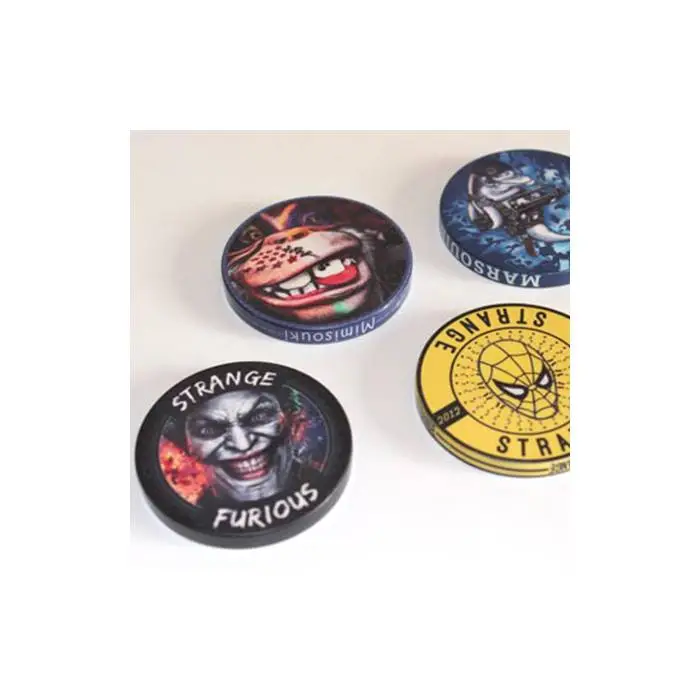
Our range of custom ceramic card guards with full printing is perfect for those looking to add a personal and unique touch to their gaming experience. These high-quality card guards are not only functional but also aesthetically pleasing.
Features:
High-Quality Material:
Made of durable ceramic, offering a pleasant weighty feel and increased resistance.
Smooth and shiny surface, easy to clean and maintain.
Full Printing:
360° Personalization: Full printing allows you to customize the entire surface of the card guard with motifs, images or texts of your choice.
Vivid Colors and Precise Details: High-resolution printing technology guarantees bright colors and precise details that do not fade over time.
Design Options:
Illustrations and Logos: Choose from a variety of illustrations or add your own designs and logos to reflect your interests and personality.
Custom Text: Add names, dates, inspiring quotes or special messages.
Versatile Uses:
Poker and Card Games: Protect your cards during poker games and other card games.
Decorative Accessory: Use it as a unique decorative object on your desk or in your game room.
Perfect Gift: An ideal personalized gift for poker enthusiasts, parties, birthdays or any other special occasion.
See the custom Card Guard models
Using Card Guards
Card Guards: Use and Function
The card guard is an essential accessory in card games, designed to protect players' cards against errors or accidental handling. This small tool is often placed on a player's cards to signal that they are in play, thus preventing them from being touched or moved inadvertently.
Protection and Identification
The card guard plays a crucial role in helping to keep cards in place, particularly in games where cards must remain face down or in a specific position. It also serves to identify a player's cards when they are face down. By placing a card guard on their cards, a player clearly marks their cards as being in play, which facilitates organization and minimizes the risk of errors.
By preventing cards from being mixed with those of other players or from being moved accidentally, the card guard reduces the risk of errors in the game. Moreover, these accessories are often adorned with unique designs, logos or personalized motifs. They offer players not only a functional solution but also a means of personal expression, thus adding a distinct and personal touch to the gaming experience.
Practical Use
When a player receives their cards, they place the card guard on them to keep them in place and protect them from handling. Before any handling of the cards, the card guard is removed, and it is replaced once the cards are back in play. This practice ensures that the cards remain correctly in place and visible only to the player concerned.
Advantages
Card guards offer several advantages: they bring clarity and organization by keeping cards in order, prevent fraud by reducing the risk of manipulation or cheating, and allow players to personalize their gaming experience. Card guards are tools that are both functional and aesthetic, enriching the gaming experience while offering an elegant and practical way to manage cards.
Caring for Card Guards
Caring for Card Guards
Card guards are made from various materials, each requiring specific care to maintain their appearance and functionality. Here is a guide for the care of metal, brass, ceramic and acrylic card guards.
Metal Card Guards
Cleaning: Use a soft, dry cloth to remove dust and dirt. For more stubborn stains, a mild metal cleaner can be applied. Avoid abrasive products that could scratch the surface.
Storage: Keep them in a dry place to avoid rust and oxidation. A soft fabric bag or storage box is recommended to avoid scratches.
Inspection: Regularly check for signs of corrosion or rust. Treat immediately with a suitable polishing product if necessary.
Brass Card Guards
Cleaning: Clean with a soft, slightly damp cloth and a brass cleaner. Avoid the use of acidic products that can alter the finish. Dry well after cleaning to avoid water stains.
Storage: Avoid humidity and store the card guards in a dry place. Use pouches or boxes to avoid scratches.
Inspection: Check for tarnishing or discoloration. Brass polishing products can be used to restore the shine.
Ceramic Card Guards
Cleaning: Clean with a soft cloth and a little lukewarm water. Avoid abrasive cleaners that could damage the surface. For more difficult stains, use a mild ceramic cleaner.
Storage: Store them carefully in a place where they are not at risk of breaking. Use cases or padded boxes to avoid impacts.
Inspection: Inspect regularly to detect cracks or chips. Handle ceramic card guards with care to avoid damage.
Acrylic Card Guards
Cleaning: Use a soft, non-abrasive cloth with lukewarm water and a mild soap. Avoid cleaners containing alcohol or harsh chemicals that can dull the acrylic.
Storage: Keep them in a dry place away from direct sunlight to avoid yellowing. Store them in pouches or boxes to prevent scratches.
Inspection: Check for scratches and marks. Polishing products specially designed for acrylic can help restore clarity.
By following these material-specific care tips, you can extend the lifespan of your card guards while maintaining their optimal appearance.