Chip Racks vs Cases and Displays
Chip racks, cases, and displays are three distinct solutions for organizing and transporting poker chips, each with its own advantages and disadvantages.
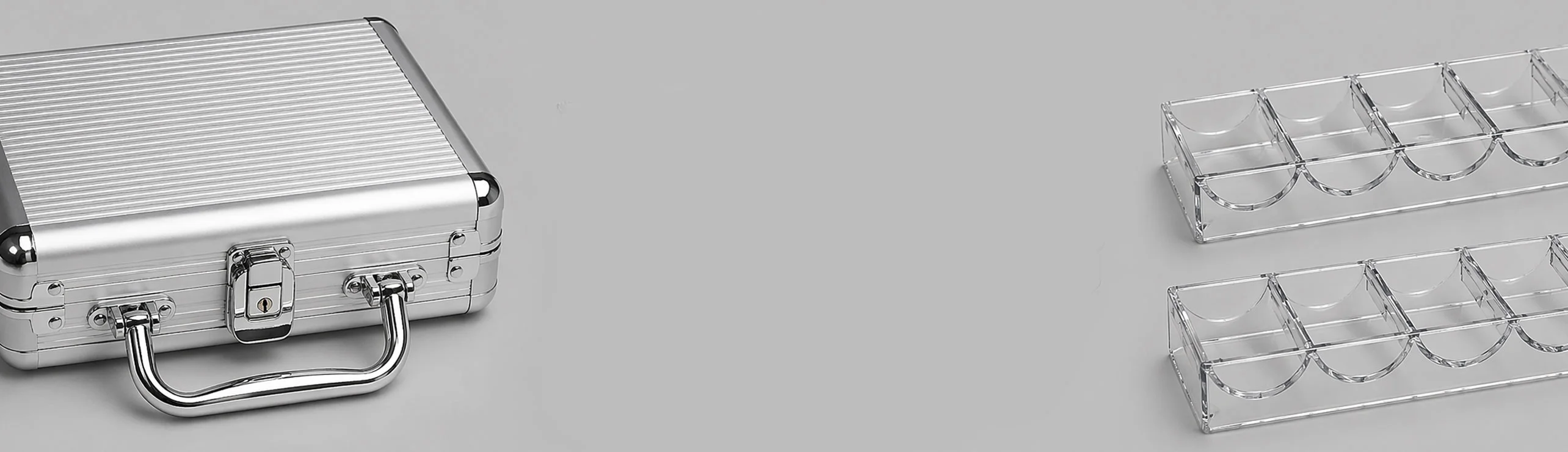
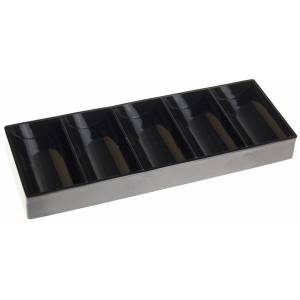
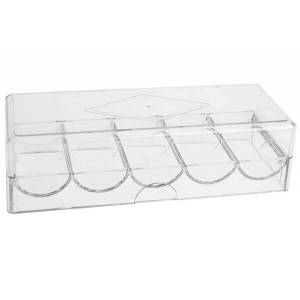
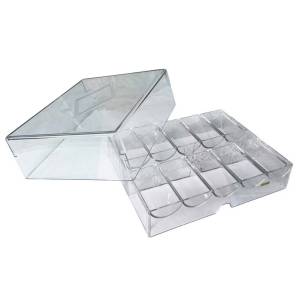
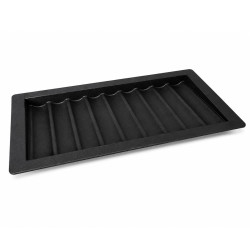
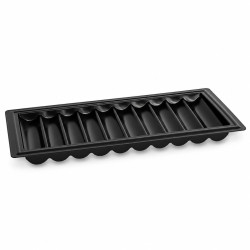
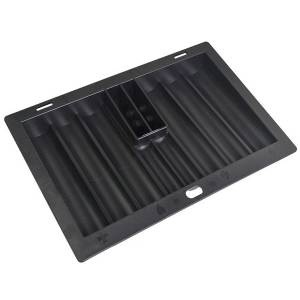
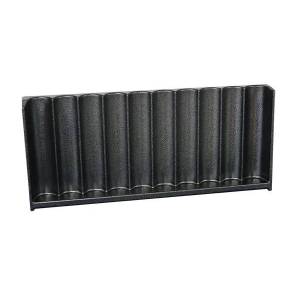
Chip racks are practical and functional devices designed to store and organize poker chips in an orderly manner. They allow for easy separation of chips by value, simplifying the management of bets during the game. Additionally, the chips are easily accessible, allowing for quick and efficient distribution during play. Racks can hold a large number of chips, making them ideal for tournaments or games with many participants. They are often stackable, which saves space when not in use.
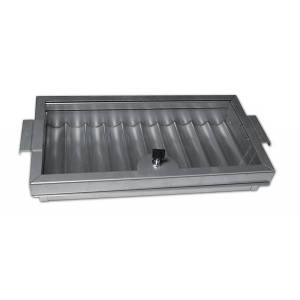
Cases offer a comprehensive solution for storing and transporting poker chips. They protect the chips from shocks, dust, and moisture, thanks to their sturdy structure and padded compartments. Equipped with handles and sometimes locks, cases are designed to be easily transportable, providing a practical solution for players on the go. Available in various sizes, they can hold from 100 to over 1000 chips, accommodating the diverse needs of players. Cases can be made from various materials (aluminum, wood, faux leather), offering a stylish and professional appearance.
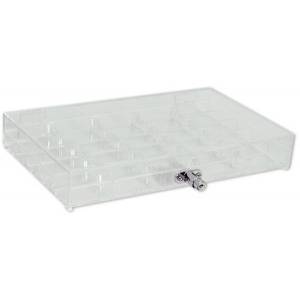
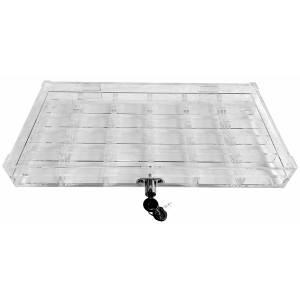
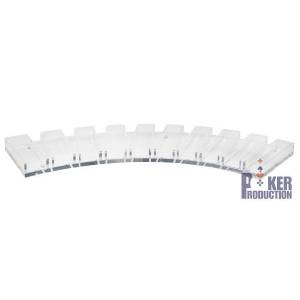
Chip displays are primarily used to showcase chips during games. They provide excellent visibility of the chips, making it easier to identify and access them quickly. Displays add an elegant touch to the game table, showcasing the chips in an attractive manner. Unlike cases, displays allow for quick retrieval of the necessary chips, improving the flow of the game. Although less practical for transport, they are perfect for stationary games where aesthetics and accessibility are priorities.