
Racks and cash

Mastering the Art of Organisation with Racks and Cash Trays
In the dynamic world of casinos, operational efficiency and smooth game management are essential to delivering an exceptional gaming experience. Racks and cash handling systems play a crucial role in this organisation, not only by making chip and card management easier, but also by optimising space and improving transaction flow. In this section, we will explore the various types of racks and cash handling solutions available, their impact on the daily operation of a casino, and how their design and maintenance can contribute to more efficient management and an improved customer experience. Get ready to discover how good organisation can transform your gaming space and strengthen your operational success.
Types of Racks
Types of Cash Tray Systems
Rack vs Cash Tray
Maintaining Racks and Cash Trays
Types of Racks
Racks play a key role in the efficient organisation and management of chips, cards and other gaming accessories in a casino. They not only optimise space but also ensure quick and secure access to the items needed. Here is a comprehensive overview of the different types of racks found in casinos:
Chip racks stand out for their construction and flexibility:
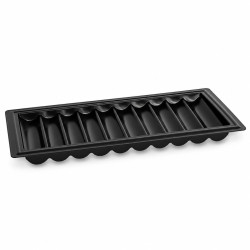
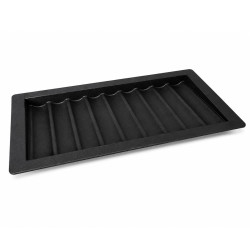
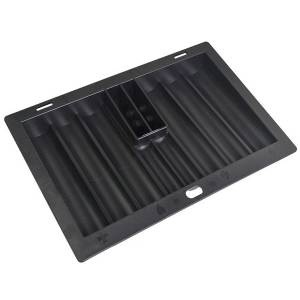
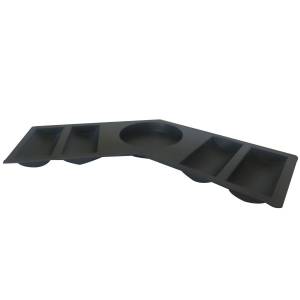
Fixed Racks: Permanently installed in strategic areas, offering a sturdy solution for organising chips. Often made of metal for durability.
Modular Racks: Allow the configuration to be adjusted to suit needs, made of plastic or metal for greater flexibility.
Drawer Racks: Designed for discreet and secure organisation of chips with separate drawers for different values.
Common materials:
Metal: Strong and durable, ideal for intensive use.
Plastic: Lightweight and economical, often used for modular solutions.
Wood: Adds an aesthetic touch but requires regular maintenance.
Racks for Other Accessories
In addition to chips, these racks are essential for organising various gaming accessories such as dice and cards:
Dice Racks: Modular for different types and sizes of dice, ensuring secure storage.
Bonus Chip Racks: To separate and organise bonus chips with adjustable compartments.
Card Racks: Include acrylic racks (transparent and resistant), wooden ones (elegant but requiring maintenance), and those with LED lighting (for better visibility).
Common materials for card racks:
Acrylic: Transparent, scratch-resistant, easy to maintain.
Wood: Elegant but requires regular maintenance.
Plastic: Lightweight


Advantages of Racks
Racks offer significant advantages:
Space Optimisation: Efficient use of available space.
Improved Accessibility: Quick access to chips and cards.
Enhanced Security: Reduced risk of loss or theft.
The choice of rack must meet the specific needs of the casino in terms of volume, type of accessories and budget, in order to ensure efficient management and an optimal gaming experience.
Types of Cash Trays
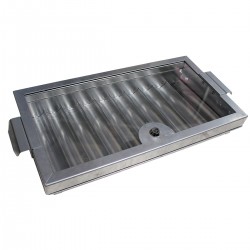
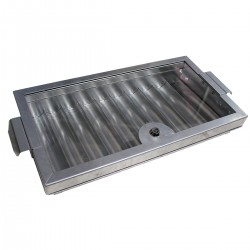
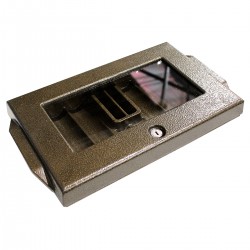
Chip Cash Tray
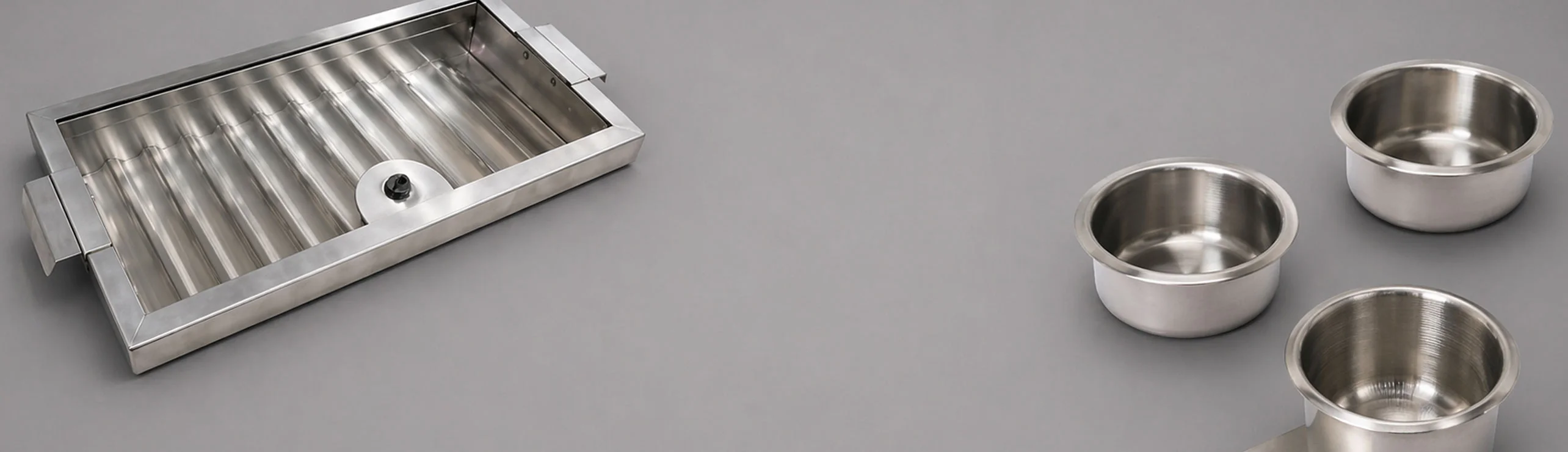
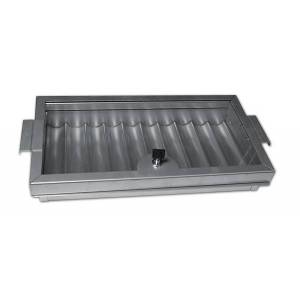
Chip cash trays are essential devices for organising and storing the chips used in casino games. Unlike electronic systems, these trays are entirely manual and mechanical. They are designed to make chip management easier while offering a sturdy and durable solution. Here is an overview of the different types of chip cash trays:
1. Compartment Trays
Compartment trays are designed to separate and organise chips by value or colour. They offer a simple but effective method of keeping order:
Fixed Models: These trays are often permanently installed on counters or in gaming areas. They have fixed compartments for different types of chips.
Modular Models: Allow the layout of the compartments to be adjusted to suit needs. They are ideal for environments where the types or quantities of chips may vary.
Common materials:
Steel: Used for its strength and durability, suited to intensive use.
Plastic: Lightweight and economical, often used for modular or low-capacity solutions.
2. Drawer Trays
Drawer trays are designed to offer easy and secure access to chips. They are particularly useful for high-transaction-volume environments:
Separate Drawers: Each drawer can be used for a specific type of chip, allowing for orderly and quick management of the different types of chips.
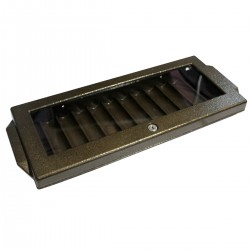
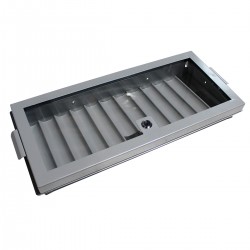
Lockable Drawers: Provide enhanced security for chips by allowing the drawers to be locked when not in use.
Common materials:
Steel: Valued for its security and sturdiness, particularly in high-risk environments.
Reinforced Plastic: Used for lighter, impact-resistant solutions.


Advantages of Cash Trays
Chip cash trays offer several advantages:
Organisation: They keep chips sorted and easily accessible, reducing the time needed to carry out transactions.
Security: Models with lockable drawers offer additional protection against theft.
Durability: Materials such as steel ensure a long service life, even with frequent use.
Chip cash trays are essential for efficient and secure chip management in a casino. The choice of model will depend on the specific needs of the casino in terms of chip volume, security and budget.
Rack vs Cash Tray
Maintaining Racks and Manual Trays
To ensure optimal performance and a long service life for racks and manual trays in a casino, regular maintenance is essential. Here is an overview of maintenance practices for each type of equipment:
1. Rack Maintenance
Racks, used to organise and store chips, cards and accessories, require appropriate maintenance to keep their functionality and appearance:
Cleaning: Racks should be cleaned regularly to prevent the build-up of dust and dirt. Plastic models can be cleaned with mild, non-abrasive solutions, while metal racks may require wiping with a dry or slightly damp cloth.
Inspection: It is important to regularly check racks for any signs of wear or damage. Make sure the supports and compartments are in good condition and that the fastenings are properly tightened.
Repairs: Damaged or worn racks should be repaired or replaced to ensure they continue to function properly. Broken parts or faulty supports should be replaced as soon as possible.
2. Cash Tray Maintenance
Manual trays, used to manage cash transactions and store chips, also require regular maintenance to ensure they function properly:
Cleaning: Manual trays should be cleaned frequently to remove dust, dirt and cash residue. Use cleaning products suited to the tray's materials (for example, metal or plastic cleaners) and avoid abrasive products that could damage the surfaces.
Inspection: Inspect the trays regularly to check the integrity of the compartments and locking mechanisms. Make sure the drawers open and close properly and that the storage compartments show no signs of deformation or damage.
Repairs: Any damaged part, such as faulty locks or compartments, should be repaired or replaced immediately. Preventive maintenance can help avoid more serious and costly problems.